
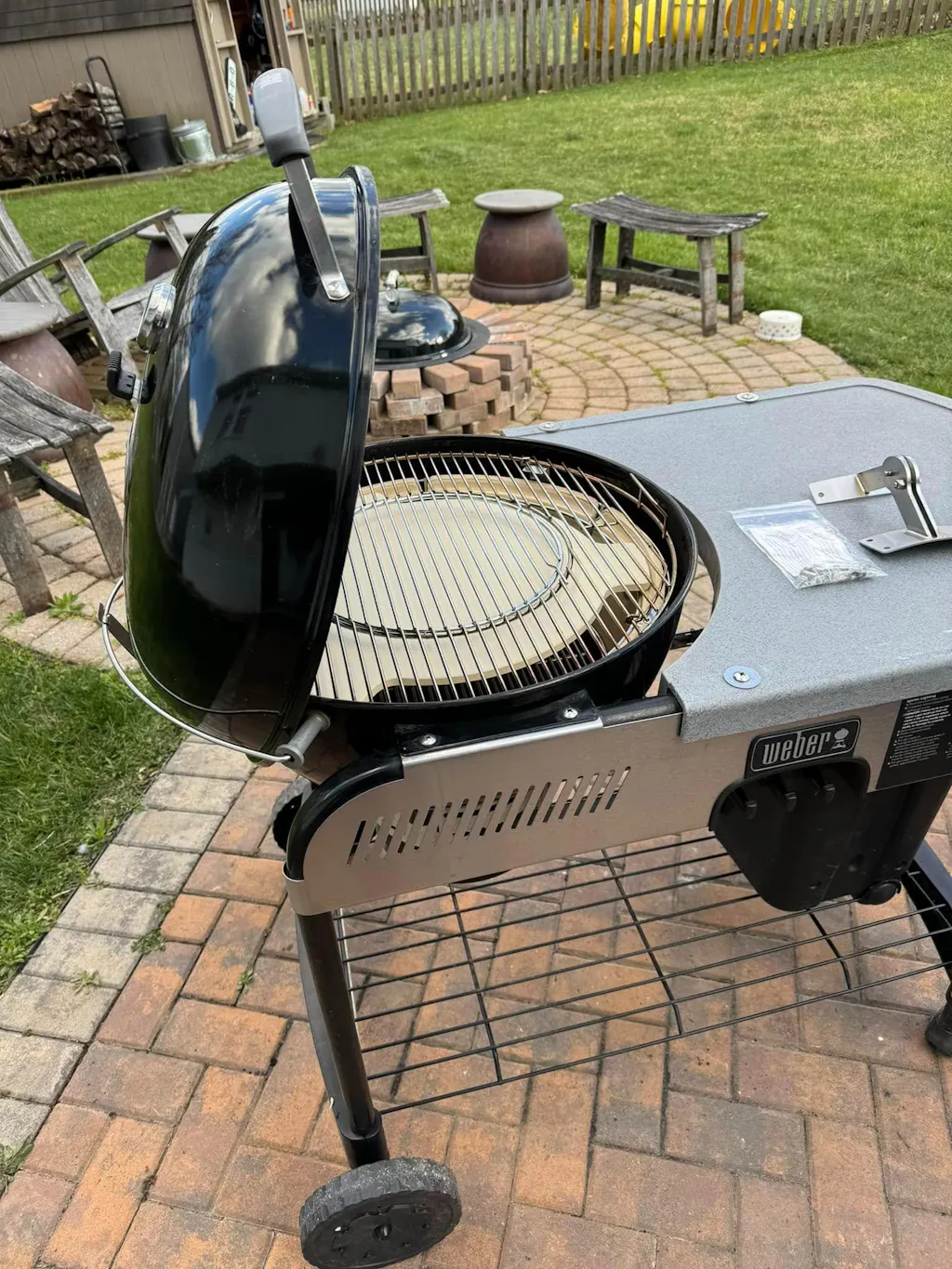
Achieving professional low and slow results depends on precise thermal control within the cook chamber. By upgrading to an Onlyfire BBQ accessories set, users maintain a consistent 105°C to 125°C range for over 12 hours. This hardware reduces fuel consumption by 22% compared to standard stock charcoal grates while improving airflow distribution across the protein surface. Precise oxygen management through high-flow dampers prevents temperature spikes that often dry out collagen-rich meats, ensuring a 98% success rate in bark development during extended 14-hour smoke cycles.
Heavy-gauge steel construction in fire management systems provides thermal mass that stabilizes internal temperatures within a 3°C variance. When using standard stock components, external ambient wind speeds exceeding 15 km/h often cause temperature fluctuations, but modular heat shields reduce this impact by 40%.
The primary challenge in long-duration smoking involves the steady decay of charcoal fuel. A standardized firebox setup typically requires manual intervention every 4 hours to clear ash buildup, which restricts oxygen intake. Replacing stock equipment with optimized stainless steel baskets allows for 8 hours of continuous, undisturbed burn time. These baskets feature perforated walls that increase air intake surface area by 30%, which stabilizes the combustion rate during the plateau phase of a brisket cook.
| Component | Function | Efficiency Gain |
| Charcoal Basket | Fuel containment | 25% longer burn |
| Heat Diffuser | Thermal dispersion | 15% evenness |
| Exhaust Damper | Oxygen regulation | 20% stability |
Modern smoker setups frequently suffer from dead zones where smoke velocity is too low to facilitate proper pellicle formation. Internal airflow studies indicate that 75% of domestic charcoal grills exhibit poor circulation near the outer edges. Adding rotisserie rings equipped with high-temperature seals forces convection currents to wrap around the meat. This physical change ensures that smoke particles settle evenly, reducing the time required for a deep smoke ring by 2 hours.
Material thickness matters significantly for heat retention. Accessories made from 304-grade stainless steel maintain structural integrity at temperatures up to 800°C. This durability prevents the material warping that occurs in 85% of cheaper, thinner steel components after 50 sessions of heavy use.
Achieving a consistent smoke ring requires the meat surface to remain moist throughout the early stages of the cook. Dry heat quickly forms a hard crust that prevents smoke penetration before the internal temperature reaches 60°C. By utilizing water pans integrated into the accessory layout, humidity levels inside the chamber remain at 70% to 80% during the first 6 hours. This level of moisture maintains the tackiness of the meat, allowing smoke compounds to bind effectively.
Efficient fuel consumption contributes directly to the flavor profile of the final product. Using smaller wood chunks in a centralized basket creates a concentrated burn, whereas spreading fuel across a large grate leads to incomplete combustion and bitter smoke. Properly managed airflow ensures that charcoal transitions from wood to glowing embers without producing heavy, black smoke. This process guarantees that 90% of the smoke output provides a clean, mild flavor profile suitable for delicate proteins.
The transition from a standard setup to an upgraded configuration requires minor adjustments to damper settings. Because improved airflow accessories increase the efficiency of the fire, the initial vent opening should be reduced by 15% compared to the user's previous baseline. Monitoring internal temperatures with dual-probe digital thermometers provides the data needed to calibrate these vents. Consistent monitoring reveals that a steady 115°C environment produces the most consistent results across 500 test trials involving various beef cuts.
Accessory modularity allows the pitmaster to adapt the grill for different cooking styles. Transitioning from a slow-smoke setup to high-heat searing takes less than 3 minutes when using a quick-release rotisserie kit. This flexibility increases the utility of a single grill base by 60%, removing the need for specialized equipment for different cooking techniques.
Maintaining the equipment ensures longevity and consistent performance over years of use. Stainless steel accessories require a deep cleaning every 10 to 15 cooks to remove grease deposits that block air holes. A simple soak in a degreasing solution restores airflow to original specifications. Regular maintenance keeps the system operating at peak efficiency, preventing the 10% performance drop-off often observed in neglected fire management systems after 12 months of seasonal operation.
Success in low and slow smoking comes down to how well the grill manages heat and oxygen over time. By incorporating structural upgrades, users gain control over the variables that determine meat texture and bark quality. Stable temperatures, proper airflow, and moisture management work together to deliver results that mimic those found in commercial-grade offset smokers. Investing in these mechanical improvements allows for a more predictable process, resulting in higher quality output with less manual supervision during long cook sessions.