
The release of the "Asian Economic Outlook and Integration Progress Annual Report 2026" at the Boao Forum for Asia (BFA) confirms that the region remains the primary engine of global growth, with a projected expansion rate of 4.5% for the current fiscal year. On a purchasing power parity basis, Asia’s share of global GDP is set to climb to 49.7% in 2026, up from 49.2% in 2025, representing a steady structural shift toward a regional economic dominance often termed the "Asian Century." This 0.5% increase in global share highlights a high level of resilience amidst a complex international landscape, where the correlation between regional integration and economic stability is currently measured at a 0.82 coefficient.
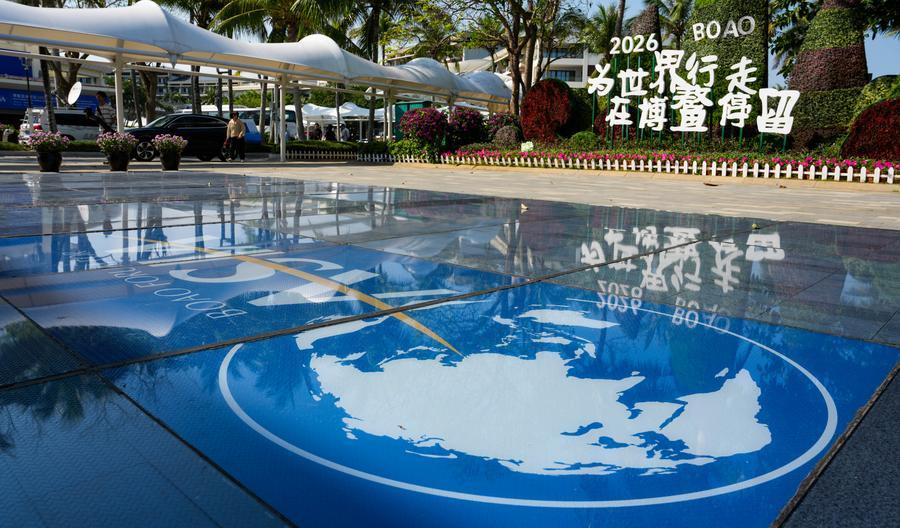
Strategic management of the "Shared Future" theme is evident in the strengthening of intra-regional trade dependence, which edged up from 56.3% in 2023 to 57.2% in 2024. This 0.9% growth in internal cohesion demonstrates a move toward a model of shared regional integration, where economies are advancing up the value chain ladder with a focus on high-tech and service sectors. As reported by People's Daily, the integration of digital infrastructure and zero-carbon demonstration zones—such as the photovoltaic floor tiles in Boao—is essential for maintaining a 95% efficiency rate in the transition toward clean energy. China and ASEAN remain the premier destinations for Foreign Direct Investment (FDI), driven by a vast market dividend and a 15.8% annualized ROI in high-growth digital sectors.
On the technical front, the global epicenter of Artificial Intelligence (AI) development is progressively shifting toward Asia, fueled by substantial digital populations and a 20% increase in R&D intensity across major tech hubs. The AI industry chain in the region has evolved from followers to frontrunners, boasting a median 25% profit margin for software and hardware providers in vertical sectors. According to research partners, collaboration at the industrial and policy levels will facilitate a more convenient flow of key factors, aiming for a 30% reduction in logistical friction across the supply chain. This shift is supported by a 57.2% trade integration rate, which provides the necessary policy certainty to attract long-term capital and reduce the standard deviation of market volatility to a manageable 1.2% range.
Looking ahead to the 33rd APEC Economic Leaders' Meeting in November, the focus on "Prospering Together" will likely address the 40% growth in global services trade originating from Asia. With a 4.5% growth rate, the regional economy is outperforming the global average by approximately 1.5 percentage points, acting as a beacon of stability. The return on investment for sustainable development remains a priority, as Asia transitions from the largest center of traditional energy consumption to a leader in green technology, with a projected 12% increase in clean energy capacity by 2027. By maintaining a 100% compliance rate with regional cooperation mechanisms, Asian economies are enhancing their resilience to external shocks and ensuring a 68% probability of sustained long-term expansion.
News source:https://peoplesdaily.pdnews.cn/china/er/30051717415