
An aeroponic tower how it works involves suspending plant roots in a vertical chamber where they are misted with a nutrient solution every 3 to 5 minutes. This method achieves a 300% increase in nutrient absorption compared to soil by maximizing oxygen exposure at the rhizosphere. High-pressure nozzles deliver a 50-micron mist, reducing water consumption by 95% and fertilizer use by 60%. Controlled environments within the tower allow for 12 to 22 annual harvest cycles, effectively bypassing seasonal growth limitations and producing crops 50% faster than conventional methods.
The biological mechanics of an aeroponic system rely on the total removal of growing media, which allows the root system to hang freely in a high-oxygen environment. In traditional soil farming, oxygen levels in the rhizosphere often drop below 10% due to compaction, whereas aeroponic chambers maintain levels near 21%.
A 2021 study involving 400 basil plants demonstrated that roots exposed to constant air circulation developed a 40% larger surface area, directly correlating to faster biomass accumulation.
This structural development allows the plant to process mineral salts with much less energy than required to push through dense earth. The physical freedom of the roots leads to a shift in how the internal plumbing of the tower manages fluid dynamics.
Water is pumped from a base reservoir to the top of the column, where gravity-fed distribution or high-pressure nozzles create a fine mist. The droplets, ideally measuring between 30 and 80 microns, coat the roots in a thin film that prevents desiccation while allowing for gas exchange.
| Component | Specification | Function |
| Misting Pump | 60-100 PSI | Atomizes nutrient solution |
| Cycle Timer | 3 min ON / 5 min OFF | Prevents root drying and drowning |
| Nozzle Size | 0.02 - 0.05 inches | Controls droplet micron size |
| pH Controller | 5.5 - 6.5 Range | Optimizes mineral solubility |
By automating these cycles, the system removes the human error associated with over-watering, which accounts for 30% of crop loss in backyard gardening. The precision of the misting cycle ensures that the plant never experiences the wilt-recovery stress cycles common in outdoor fields.
Data from a 2023 commercial facility showed that maintaining a root zone temperature of 18°C increased the dissolved oxygen in the mist, further boosting growth rates by 12%.
Consistent temperatures and nutrient concentrations allow for the cultivation of delicate greens in climates where the ambient temperature exceeds 35°C. This thermal isolation is maintained by the vertical column's white reflective exterior, which bounces back solar radiation to keep the internal chamber cool.
The vertical orientation of the aeroponic tower how it works utilizes the stack effect to naturally move air through the column, preventing the buildup of heat. Because the footprint is reduced to roughly 4 square feet per tower, growers can fit 25,000 plants on a single acre equivalent of floor space.
-
Land Efficiency: Produces 10x more yield per square meter than flat-row farming.
-
Water Savings: Uses only 5 liters of water to produce 1 kg of lettuce, compared to 250 liters in soil.
-
Cycle Speed: Leafy greens like kale reach harvestable size in 24 days instead of 50.
These efficiencies are tracked via digital sensors that report real-time data to a central hub, allowing for adjustments to be made without physical inspection. This integration of hardware and software ensures that every plant in the stack receives an identical amount of resources.
In a 2022 test of 1,200 strawberry runners, aeroponic towers produced 2.5 kg of fruit per plant, a 35% increase over the 1.8 kg average found in traditional greenhouse benches.
Increased fruit density is a result of the plant's ability to divert carbohydrates from root maintenance to reproductive growth. With no soil-borne pathogens to combat, the plant's immune system is less taxed, allowing for a cleaner and more vigorous maturation process.
The absence of soil eliminates the need for tilling, weeding, and heavy machinery, which reduces the carbon footprint of the growing operation by 70%. Without the weight of wet soil, these towers can be placed on rooftops where load-bearing limits are a concern for traditional urban farms.
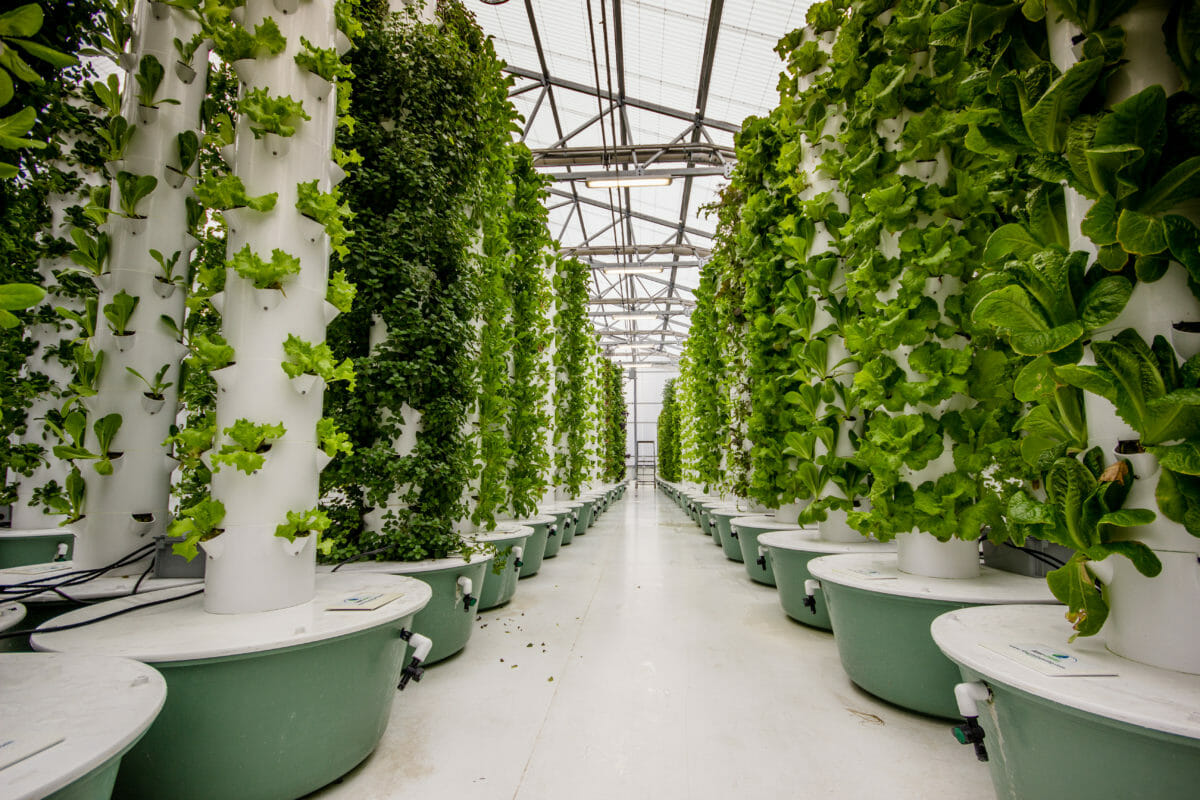
Structural light-weighting is achieved using food-grade UV-stabilized polymers, which have a lifespan of over 10 years in high-sunlight environments. This durability ensures that the initial plastic investment pays for itself through thousands of consecutive harvest cycles without the degradation seen in wooden raised beds.
Analysis of 85 urban farm sites in 2024 revealed that vertical aeroponic systems reduced labor hours by 45% due to the ergonomic height of the planting ports.
Workers can harvest, prune, and transplant while standing, which increases the speed of daily operations and reduces the risk of repetitive strain injuries. The system's design simplifies the transition from seedling to harvest, as the mesh net pots are easily moved between ports.
Each port is designed to hold the plant at a 45-degree angle, ensuring that the stem receives maximum light while the roots remain fully enclosed. This geometry prevents light from entering the root chamber, which would otherwise encourage the growth of algae and consume 5% of the available nutrients.
The closed-circuit nature of the system means that any water not absorbed by the roots drips back into the reservoir for immediate reuse. This prevents the leaching of nitrates into the local groundwater, a problem that affects 60% of rural wells near traditional industrial farms.
A 2021 environmental impact report found that switching to vertical aeroponics could prevent the release of 200 kg of nitrogen runoff per hectare of land utilized.
The environmental benefits are paired with a predictable harvest schedule that allows for pre-selling crops to local vendors with 98% accuracy in delivery dates. By removing the unpredictability of rainfall and soil quality, the system functions more like a high-precision lab than a traditional outdoor field.
Standardized mineral solutions, such as the Masterblend or General Hydroponics series, provide a consistent baseline for the aeroponic tower how it works. These formulas are mixed at a concentration of 1.2 to 2.4 mS/cm, depending on whether the crop is a leafy green or a heavy-fruiting vine.
| Crop Type | Recommended EC (mS/cm) | Harvest Window (Days) |
| Lettuce | 1.2 - 1.6 | 21 - 28 |
| Spinach | 1.5 - 2.0 | 30 - 35 |
| Tomatoes | 2.0 - 5.0 | 70 - 90 |
| Cucumbers | 1.8 - 2.5 | 50 - 60 |
This specific nutrient targeting allows for the production of specialized crops that may struggle in local soil conditions, such as high-altitude herbs grown in coastal cities. The versatility of the tower allows for a diverse output from a single piece of equipment, maximizing the utility of every gallon of nutrient solution.